Let’s be honest: Telugu audiences don’t bond with brands just because they post content.
They bond with brands that understand the assignment.
JioHotstar Telugu already had scale.
Massive viewership. Strong content library. Millions of impressions.
But culturally?
It still felt like a platform talking to people instead of sitting with them.
The brand existed on timelines.
It just didn’t belong there yet.
WTX India saw the gap immediately:
People don’t share ads.
They share inside jokes.
And in Telugu internet culture, humour isn’t just entertainment. It’s social currency.
So instead of behaving like a polished streaming platform, JioHotstar Telugu needed to become
something far more powerful:
A Telugu pop-culture insider.
Not a brand.
Not a corporate admin.
That one hilarious mutual who always gets the reference first.
The Admin Became the Main Character.
Strategy: Stop Posting. Start Participating.
The goal wasn’t “more engagement.”
The goal was emotional ownership.
Every post needed to feel native to Telugu internet behaviour:
- Meme-first storytelling
- Hyper-local references
- Fan-war humour
- Self-aware captions
- Real-time cultural timing
- Punchy conversational language
The page stopped sounding like marketing copy.
It started sounding like group-chat energy.
And that changed everything.
Content Needed Theatre-Level Hype.
Execution: Turning Promotions into Internet Events.
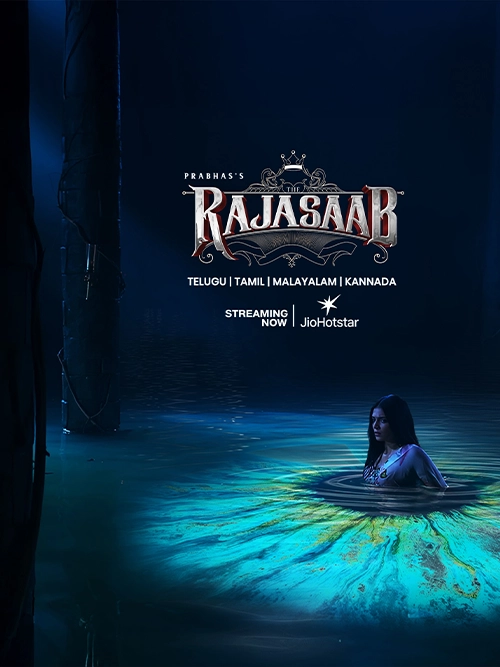
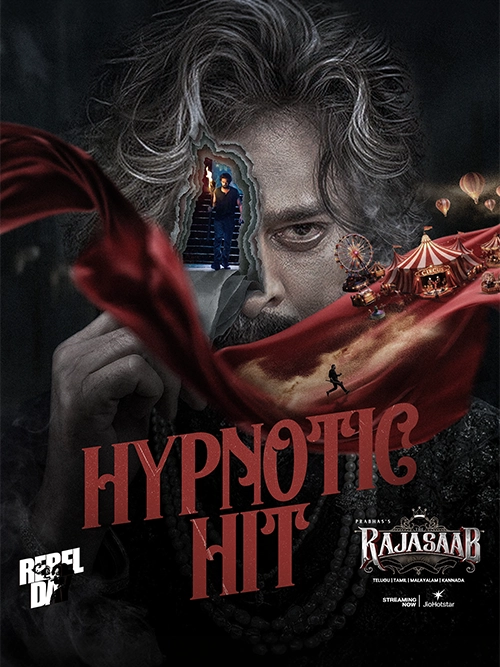
One of the strongest examples came during Radha.
The film underperformed theatrically.
Most brands would have played it safe.
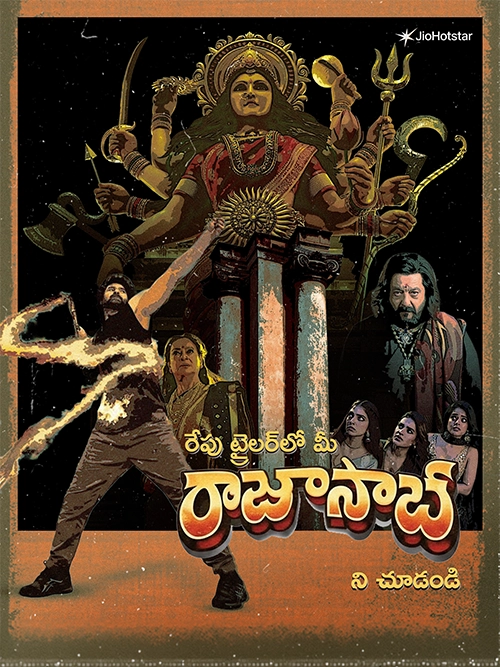
Instead, JioHotstar Telugu leaned fully into fan culture and irony-driven humour.
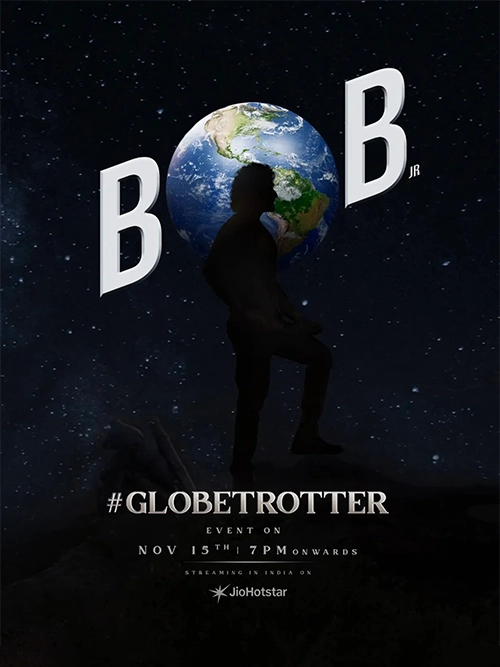
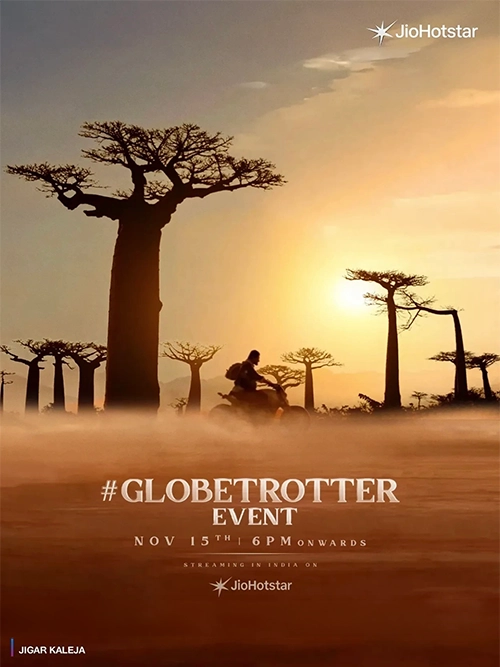
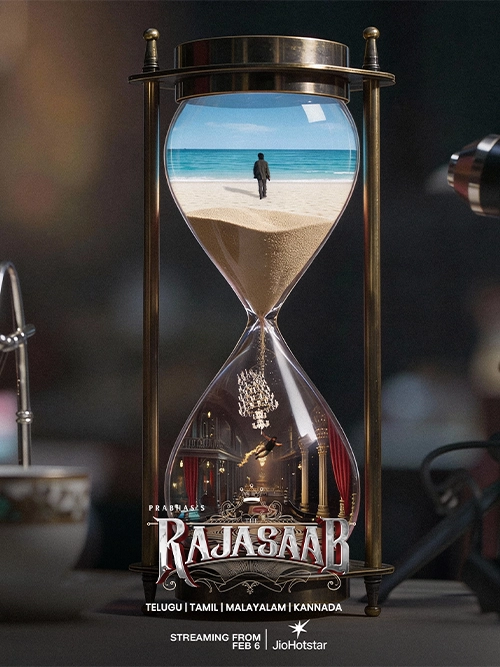
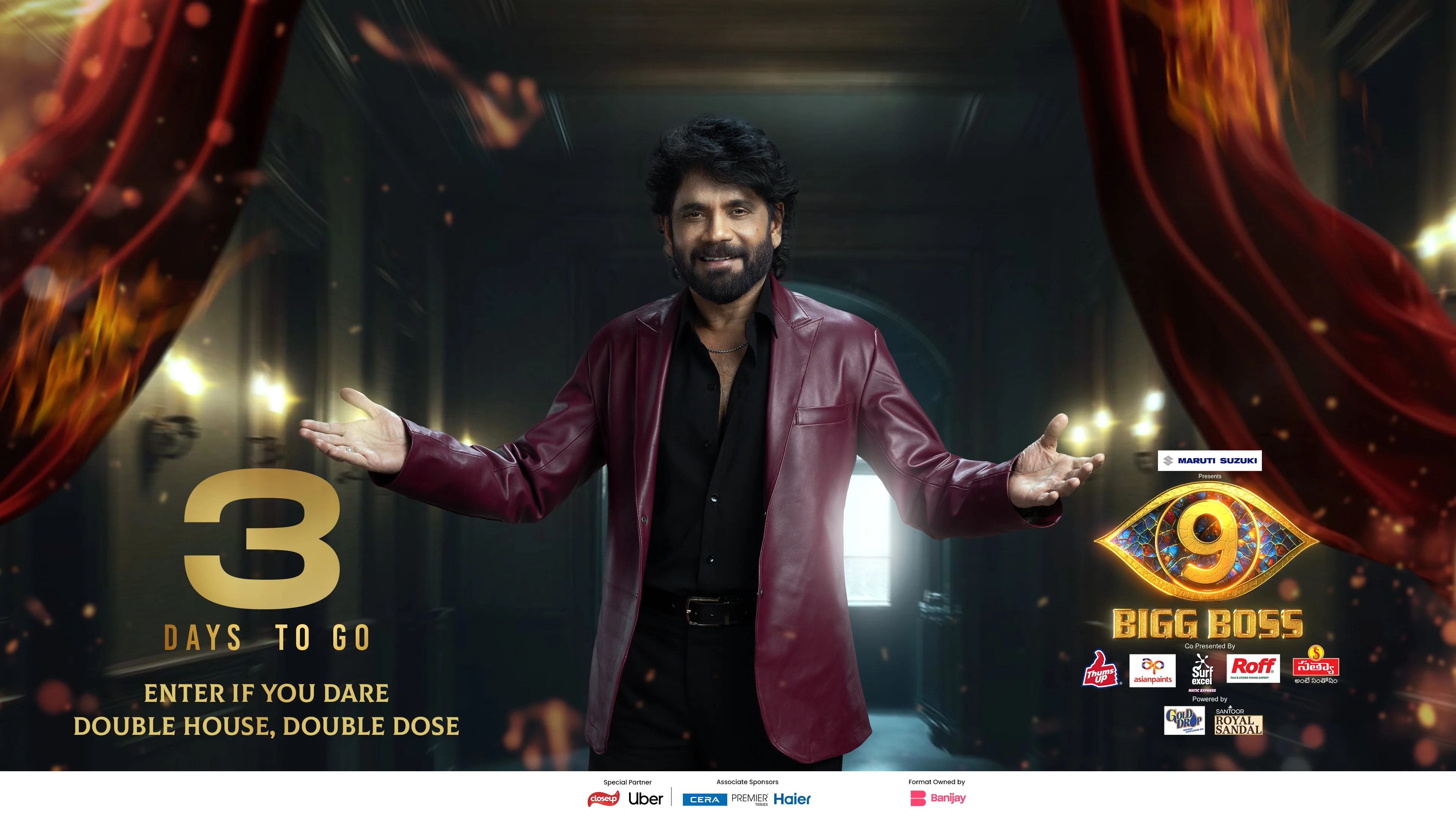
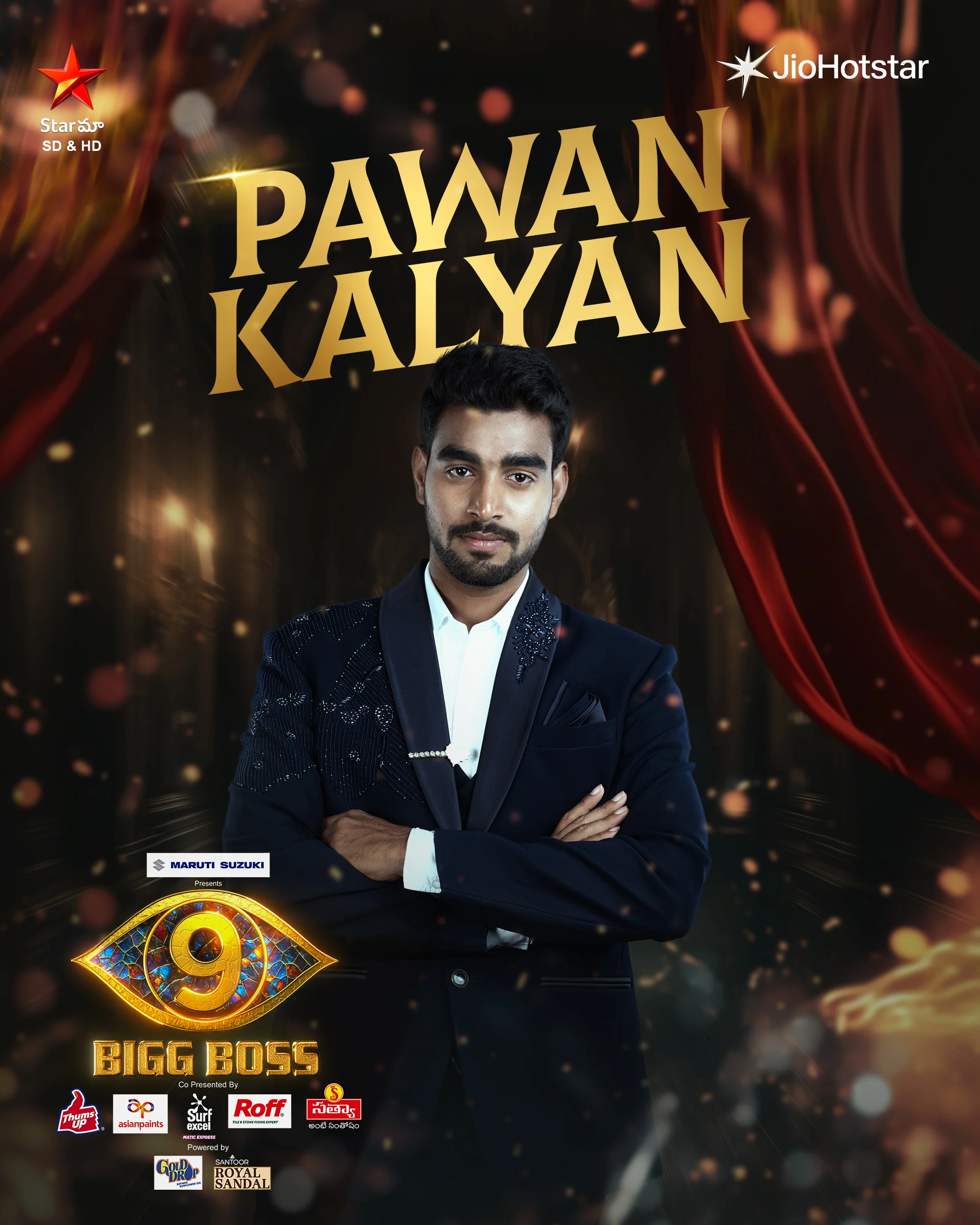
Countdown posters weren’t treated like standard OTT announcements.
They were treated like celebrations.
Fans engaged with the campaign like it was a festival drop, not a release reminder.
The page consistently used:
- Meme-native visuals
- Telugu fan-page humour
- Relatable frustration jokes
- Fandom references
- Self-aware internet language
- Culturally synced timing around films, cricket, and trending conversations
Nothing felt “scheduled.”
Everything felt alive.
The Internet Started Treating the Brand Like a Friend.
The biggest shift wasn’t numerical.
It was behavioural.
Audiences no longer interacted with the page like consumers interacting with a platform.
They interacted with it like a personality.
Fans tagged friends organically.
Comment sections became entertainment zones.
Posts travelled beyond follower circles into meme communities and fandom ecosystems.
And then came the ultimate Telugu internet achievement:
People sent biryani to the Hotstar office.
Not because they were asked to.
Because the brand stopped feeling like a brand.